
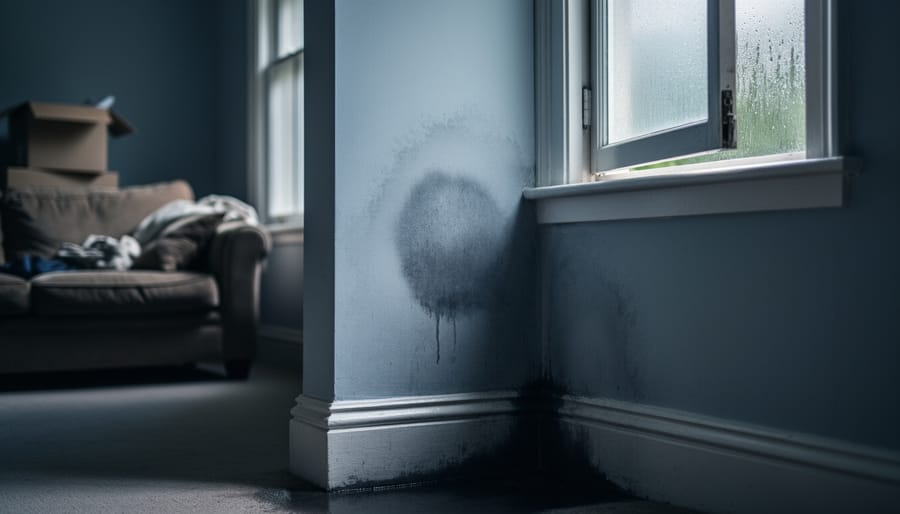
You’re not imagining it. The stress of having to sell house with damp issues can take a serious toll on your mental wellbeing, leaving you feeling anxious, embarrassed, or completely overwhelmed long after the sale completes. If you’ve recently gone through this experience, you might be struggling with guilt about not disclosing everything, worry about legal repercussions, or simply exhaustion from months of dealing with surveyors, reduced offers, and difficult conversations.
What many people don’t realise is just how common these feelings are. Sarah from Manchester described lying awake at night for weeks after her sale completed, replaying every conversation with the buyers and wondering if she’d done enough. Tom in Bristol found himself avoiding social situations because he couldn’t bear to talk about his house sale. These aren’t signs of weakness. They’re normal responses to an abnormally stressful situation that combines financial pressure, housing uncertainty, and often a deep sense of shame about something that wasn’t entirely in your control.
The psychological impact of selling a property with damp goes beyond simple stress. You might be experiencing symptoms you don’t immediately connect to the house sale: disrupted sleep patterns, difficulty concentrating at work, strained relationships, or a persistent feeling of dread. Perhaps you’ve developed a hyper-awareness of dampness in your new home, checking walls obsessively. Maybe you feel anger at previous owners, estate agents, or yourself.
This article will help you understand what you’re experiencing, recognise the specific mental health challenges that can follow this situation, and find practical ways to protect your wellbeing and move forward. You’re not alone in this.
The Invisible Weight: Why Selling a Damp House Affects Your Mental Health
The Shame No One Talks About
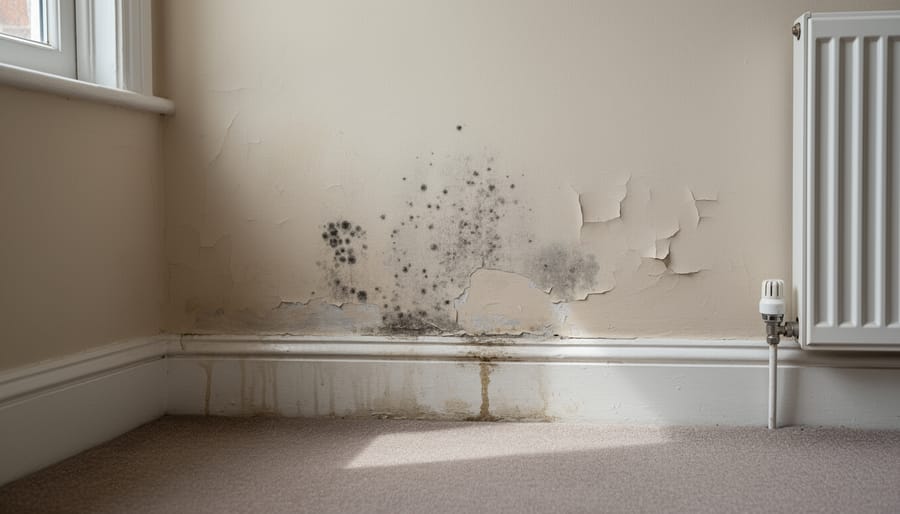
The moment you notice a buyer wrinkling their nose during a viewing, something shifts inside you. That musty smell you’d learned to ignore suddenly feels like a personal failure on display. Many homeowners who’ve sold damp properties describe an overwhelming sense of shame that catches them off guard, not just about the state of the house, but about themselves.
You might find yourself apologising excessively to estate agents, making excuses about circumstances beyond your control, or avoiding friends’ questions about why you’re selling. Some people report feeling judged when they disclose damp issues, as if they’ve somehow neglected their home. One woman from Manchester described feeling “like a dirty secret was being exposed” each time a surveyor documented the extent of her property’s condensation problems.
This shame often intensifies when family members express disappointment or frustration. Perhaps they helped with the deposit years ago, or they’re questioning why you didn’t address the damp sooner. These reactions, even when well-intentioned, can leave you feeling incompetent or irresponsible.
What makes this particularly isolating is that people rarely discuss it openly. While friends might share house-selling war stories about chains falling through, the emotional weight of selling a damaged property remains largely unspoken. You’re dealing with something that feels deeply personal whilst maintaining a brave face during viewings and negotiations.
This silence doesn’t mean your feelings are unusual, it means the stigma runs deep enough that others are also staying quiet.
Financial Stress That Keeps You Awake
The financial reality of selling a damp property often hits harder than you expected. You’ve watched your home’s value plummet, sometimes by £20,000 or more, as each survey reveals another moisture problem. The asking price you carefully calculated becomes a painful joke when buyers start making offers 15-20% below market rate, if they make offers at all.
You lie awake running the numbers. The solicitor fees. The damp-proofing quotes you got too late. The bridging loan because your chain collapsed when the buyer pulled out after the second survey. Many homeowners spend £5,000-£15,000 trying to make a damp property sellable, money that rarely comes back through the sale price.
What gnaws at you isn’t just the lost equity. It’s the knock-on effects rippling through your life. The smaller deposit for your next place means higher mortgage rates. Perhaps you’ve had to delay starting a family or abandon plans for your child’s education fund. Some people find themselves priced out of the area where they work, adding commuting costs to an already strained budget.
The financial stress becomes a constant companion. You check your bank balance obsessively. You snap at your partner over small purchases. You avoid friends because you can’t afford to go out, and you’re too embarrassed to explain why.
This isn’t poor financial planning. This is what happens when damp steals more than your home’s value, it takes your financial security and peace of mind with it.
Common Mental Health Challenges After a Damp House Sale
Anxiety and Hypervigilance in Your New Home
After selling a damp house, many people discover that their anxiety doesn’t simply disappear with the sale. Instead, it follows them to their new home, manifesting as obsessive checking behaviors and constant vigilance. You might find yourself inspecting walls daily for moisture spots, running your fingers across window frames to check for condensation, or lying awake listening for the sound of dripping water that isn’t there.
This heightened state of alert is your nervous system’s attempt to protect you from repeating a traumatic experience. Your brain has learned that homes can harbor hidden threats, and now it’s scanning constantly for danger. Some people report checking the same corner of their bedroom multiple times each day or feeling panic when they smell anything remotely musty, even if it’s just damp laundry.
These behaviors often intensify during rainy weather or when you spot any small imperfection in your new property. The compulsive need to inspect and re-inspect can be exhausting, interfering with sleep and your ability to relax in what should feel like a safe space. Recognizing these patterns as actual warning signs of ongoing mental health impact is the first step toward addressing them, rather than dismissing your feelings as overreaction.
Depression and Loss of Confidence
The sale of a damp house can trigger a profound sense of personal failure that seeps into how you view yourself. You might catch yourself thinking, “I should have spotted this sooner,” or “I failed to provide a decent home for my family.” These aren’t just passing thoughts, they can settle into a persistent low mood that colours everything grey.
Many people describe feeling incompetent or foolish after the sale, replaying decisions and wondering what they missed. You might withdraw from social situations because you’re ashamed to talk about what happened, or you’ve lost the energy to engage. Sleep patterns often shift, either lying awake ruminating about the sale or sleeping excessively to escape the feelings. According to mental health review evidence from 2026, housing-related stress significantly impacts psychological wellbeing, particularly when financial loss combines with feelings of inadequacy.
The erosion of confidence doesn’t stop at property decisions. You might second-guess yourself at work, in relationships, or with everyday choices. Some people describe feeling “broken” or incapable of making sound judgments anymore. This diminished self-worth can persist long after the sale completes, affecting your willingness to take on new challenges or trust your own instincts. If you’ve lost interest in activities you once enjoyed, feel hopeless about the future, or notice persistent sadness lasting weeks, these are signs your mental health needs attention and support.
Relationship Strain and Isolation
The stress of selling a damp property rarely stays contained to one person. Partners often clash over decisions, should we disclose everything? How much should we spend on repairs? Who’s responsible for missing the problem earlier? These arguments, repeated over months, create rifts that outlast the sale itself.
Many people find themselves pulling away from friends and family during this time. You might stop hosting gatherings because you’re embarrassed about the state of your home. Or you avoid conversations about housing altogether, dodging questions about your sale or next steps. This withdrawal feels protective but deepens isolation.
Some homeowners report feeling judged by loved ones who don’t understand why they’re still upset weeks or months after completion. “Just move on” becomes a common refrain that shuts down communication. When your support network can’t grasp the emotional weight of what you’ve been through, loneliness intensifies.
The combination of relationship tension and social isolation creates a feedback loop. You need support most during this difficult period, yet it’s precisely when you’re least likely to reach out or feel understood.
Real Stories: You’re Not Alone in This
Sarah from Manchester sold her Victorian terrace in early 2025 after three years of battling rising damp that seeped through the walls no matter what she tried. The sale process left her feeling defeated and embarrassed, especially when viewers would wrinkle their noses at the musty smell. For months afterward, she couldn’t shake the anxiety. “I’d wake up at 2am in my new flat, convinced I could smell damp,” she recalls. “I’d check the walls obsessively, running my hands along them, looking for any sign of moisture. My partner thought I was losing it.”
Sarah’s breakthrough came when she joined a local housing support group and realized others carried similar burdens. Hearing their stories normalized her experience. She learned that her hypervigilance was a trauma response, not a character flaw. Today, she still occasionally checks the walls, but the panic has subsided. “Talking about it out loud with people who understood made all the difference. I wasn’t weak or stupid. I was someone who’d been through something genuinely difficult.”
James and Priya from Bristol faced a different struggle. They’d bought their first home together in 2023, only to discover extensive black mould behind the kitchen units within months. The stress of managing repairs, living in unsafe conditions, and eventually selling at a loss strained their relationship to breaking point. “We barely spoke by the time we moved out,” James admits. “We blamed each other, blamed ourselves. The guilt was crushing.”
What saved them was couples counseling and the decision to be honest about their mental health struggles rather than pretending everything was fine. “We both needed to grieve what we’d lost, not just financially but emotionally,” Priya explains. “That house was supposed to be our fresh start together. Instead, it became this source of shame we carried around.”
They’ve since moved to a rental property and are rebuilding their finances and their relationship. The experience changed them, but they’ve found strength in vulnerability. “We tell other first-time buyers now: if something goes wrong with your house, it doesn’t mean you failed,” James says. “Sometimes houses are just broken, and that’s not your fault.”
These stories reflect a truth many people discover too late: the emotional weight of a damp house sale is real, valid, and shared by thousands across the UK.
Practical Steps to Protect Your Mental Health
Acknowledge Your Feelings Without Judgment
The first step toward healing is recognising that your emotional response to selling a damp house isn’t weakness, it’s human. If you’re feeling angry, ashamed, relieved, or even numb, these reactions are all valid. Many people who’ve gone through this experience report an overwhelming mix of emotions that can feel confusing or “wrong.” They’re not.
Your mind is processing a significant loss: not just a property, but the home you envisioned, the financial security you expected, and perhaps your sense of competence as a homeowner. The stress of discovering damp, negotiating with buyers who saw your home’s flaws, and accepting financial loss creates real psychological impact. Understanding the components of mental illness can help you recognise when normal stress responses become persistent patterns that need support.
Give yourself permission to feel whatever comes up without labelling yourself as “too sensitive” or “dramatic.” Acknowledging difficult emotions doesn’t make them worse, it’s the first step toward moving through them. You survived a genuinely challenging situation. Your feelings about it deserve respect, not dismissal.
Find Support That Works for You
Finding the right support doesn’t mean you have to navigate this alone. The UK offers numerous pathways to mental health care, and what works varies from person to person.
Your GP remains the first port of call for NHS support. They can refer you to talking therapies through NHS Talking Therapies (formerly IAPT), which offers free cognitive behavioral therapy and counseling for anxiety and depression. Self-referral is also available in many areas, visit the NHS website to find your local service. Waiting times vary, so register even if you’re unsure.
For immediate support, call Samaritans at 116 123 (free, 24/7) when you need someone to listen without judgment. Mind’s Infoline (0300 123 3393) provides practical information about mental health services and your rights. Shelter’s helpline (0808 800 4444) can help if housing worries still consume your thoughts.
Local support groups create spaces where people genuinely understand. Mind has local branches across the UK offering peer support groups, while Age UK runs wellbeing programs if you’re over 55. Check community centers and libraries for housing-related support groups where others have faced similar struggles.
Online forums like Mind’s community or Shelter’s discussion boards connect you with people navigating comparable experiences. Many find comfort in hearing others’ stories before they’re ready to share their own.
If you can access private support, qualified mental health professionals specializing in housing-related trauma can provide focused help. The British Association for Counselling and Psychotherapy directory helps you search by specialty and location.
Choose whatever feels manageable today. Support comes in many forms, and there’s no wrong starting point.
Create New, Positive Home Associations
After a difficult house sale, your new space might feel tainted by old worries. Start small: choose one room to make genuinely yours through a favorite color, comfortable seating, or meaningful photos. Notice three things you appreciate about your current home each day, even if it’s just good water pressure or natural light.
Create new rituals that aren’t about checking for problems. A Sunday morning coffee in a specific spot, plants that thrive in your space, or cooking smells that feel like home can gradually overwrite anxious associations. Let your new home earn your trust slowly rather than forcing yourself to feel settled.
If triggers arise, acknowledge them without letting them define the space. You’re building fresh memories here.
When to Seek Professional Help
Sometimes the weight doesn’t lift on its own, no matter how many self-care strategies you try. Recognizing when you need professional support isn’t a sign of weakness, it’s actually one of the strongest, most self-aware decisions you can make after a difficult house sale.
If you’re experiencing persistent low mood for more than two weeks, finding it hard to get out of bed, or losing interest in activities you once enjoyed, these are signals worth taking seriously. Similarly, if anxiety about your living situation is interfering with your daily life, making it difficult to concentrate at work, disrupting your sleep most nights, or causing physical symptoms like chest tightness or racing heart, professional help can make a real difference.
Watch for changes in your behaviour too. Are you withdrawing from friends and family? Relying more heavily on alcohol or other substances to cope? Finding yourself unable to stop obsessively checking for damp in your new home? These patterns often improve significantly with the right support.
Your GP is typically the best first step in the UK. They can assess your situation, discuss whether therapy, medication, or both might help, and refer you to NHS mental health services. Waiting times for NHS therapy vary across regions in 2026, but many areas now offer faster access to initial assessments and some online options.
Private therapy is another route if you can afford it or have insurance coverage. Different professionals bring various approaches, counsellors, psychologists, psychotherapists, so finding the right fit for your specific situation matters.
Don’t wait until you’re in crisis. Early intervention often means shorter recovery times and prevents problems from becoming more entrenched. You deserve support through this.
Moving Forward: Building Resilience After the Sale
The aftermath of selling a damp house doesn’t define you, and it doesn’t have to control your future. Recovery isn’t about forgetting what happened or pretending it didn’t matter, it’s about gradually rebuilding your sense of security and learning to trust yourself again. This process takes time, and that’s completely normal.
Many people who’ve been through similar experiences find that recovery happens in small, almost imperceptible shifts rather than dramatic breakthroughs. You might notice one morning that you haven’t checked your new bedroom ceiling for mold in three days, or realize you made it through an entire week without that familiar knot of anxiety in your stomach. These quiet victories matter.
Building resilience doesn’t mean becoming harder or more detached. It means developing flexibility in how you respond to stress and uncertainty. Start by noticing your thought patterns without immediately judging them. When you catch yourself catastrophizing about your current home or dwelling on past mistakes, acknowledge the thought and gently redirect your attention to the present moment.
Create small rituals that help you feel grounded in your new space. This might be morning coffee in your favorite spot, tending to houseplants, or simply opening windows to let fresh air circulate, a simple act that can feel profoundly different when you’re no longer worried about moisture damage. These ordinary moments help your brain associate home with comfort rather than stress.
Consider keeping a brief journal noting things that feel different or better than your previous living situation. This isn’t about forced positivity but rather training your attention to notice evidence that contradicts the narrative that you’ll always feel this way. You’re literally rewiring neural pathways, one small observation at a time.
Connect with others who understand, whether through online communities, local support groups, or simply friends who’ve faced their own housing challenges. Sharing your story can transform it from something that happened to you into something you’ve learned from and moved beyond.

The mental health impact of selling a damp house doesn’t make you weak or overly sensitive. It makes you human. Dealing with property damp, financial loss, and the stress of a difficult sale would challenge anyone’s wellbeing. What you’ve experienced is a recognized response to a genuinely difficult situation, and thousands of people across the UK have walked this same path.
Recovery isn’t about forgetting what happened or pretending it didn’t affect you. It’s about acknowledging the toll it took, giving yourself permission to heal, and gradually rebuilding your sense of security and confidence. Some people bounce back quickly; others need more time and support. Both paths are completely normal.
If you’re still struggling, please don’t wait for things to get worse before reaching out. Your GP can connect you with NHS mental health services, and organizations like Mind and Samaritans offer confidential support whenever you need it. There’s no minimum threshold of suffering required to deserve help.
Your story matters, and sharing it can help others feel less alone. Whether you talk to friends, join a support group, or connect with others online, breaking the silence around these experiences reduces stigma and builds understanding.
You’ve already survived the hardest part. Now it’s time to focus on your recovery, your wellbeing, and creating a future where damp walls are just a memory, not a mental health sentence.