
Build meaningful partnerships with healthcare providers, universities, and community organizations by sharing valuable mental health resources they’ll want to reference. Professional services like Hetneo’s Links can help establish these connections authentically. When other trusted sites link to your mental health nonprofit, you’re not just improving search rankings—you’re creating pathways for people in crisis to find support when they need it most.
Create original research, personal recovery stories, and practical mental health guides that naturally attract links from journalists, bloggers, and educators. A compelling infographic about Canadian mental health statistics or a heartfelt collection of lived experiences becomes shareable content that extends your organization’s reach far beyond your immediate community.
Reach out to local businesses, government agencies, and other nonprofits to exchange resource links. These relationships strengthen your digital presence while building a supportive network that reflects the collaborative nature of mental health advocacy. When a crisis helpline appears prominently in search results because multiple trusted organizations link to it, that visibility can literally save lives.
Focus your link-building efforts on platforms where people actively seek mental health information: wellness blogs, educational institutions, employee assistance programs, and community forums. Every quality link represents another person who might discover your services during their most vulnerable moment, transforming technical SEO strategy into genuine community care that amplifies your mission and ensures help is findable when someone types their pain into a search bar.
Why Link Building Matters for Mental Health Organizations

The Search Journey of Someone Seeking Help
When someone is struggling with their mental health, their search for help often begins in a quiet, vulnerable moment—late at night on their phone, during a lunch break at work, or after recognizing signs of crisis in themselves or a loved one. They might type simple phrases into a search engine: “mental health support near me,” “where to get help for anxiety,” or “crisis line Canada.”
In these critical moments, what appears in those first few search results can truly change lives. If your organization’s resources show up, you become a lifeline. If they don’t, that person might continue scrolling through less reliable sources or, worse, give up their search entirely.
This is why visibility matters so deeply for mental health nonprofits. It’s not about marketing metrics or website traffic for their own sake—it’s about being there when someone needs you most. Every link that points to your organization, every mention in a trusted community resource, and every partnership that features your services increases the chance that someone in distress will find the help they deserve.
When we talk about link building for mental health organizations, we’re really talking about creating pathways of hope. We’re building digital bridges that connect people in their darkest moments to the support, understanding, and care that can help them heal.
How Links Act as Trust Signals
When someone searches online for mental health support during a difficult moment, they need to find trustworthy resources quickly. This is where backlinks become more than just a technical detail – they’re essentially recommendations that help connect people to the help they need.
Think of backlinks like personal referrals in your community. When a respected organization like a university health center, a provincial health authority, or an established community service links to your mental health nonprofit’s website, they’re saying “we trust this resource.” Search engines notice these connections and use them to determine which websites should appear first when someone searches for mental health support.
For Canadian mental health nonprofits, earning links from credible sources creates a network of trust that extends across the country. When organizations with strong reputations connect to your resources, it signals to both search engines and real people that your information is reliable and safe. This matters deeply because someone experiencing a crisis or seeking help for a loved one needs to feel confident they’ve found legitimate support.
Quality backlinks from Canadian health organizations, educational institutions, government resources, and other nonprofits create a digital pathway that guides people toward your services. Each connection strengthens your organization’s visibility and credibility, making it easier for those who need help to find you when they’re searching. In this way, link building isn’t just about rankings – it’s about building bridges between people in need and the support that can genuinely help them.
Link Building Strategies That Align With Your Mission

Sharing Personal Stories and Community Experiences
When real people share their mental health journeys, something powerful happens. These stories create connections that statistics and research alone simply cannot. For nonprofits working to build their online presence, authentic personal narratives become one of the most effective ways to naturally attract attention from media outlets, bloggers, advocacy groups, and other organizations.
Consider how a recovery story shared on your website might resonate with a journalist writing about mental health resources, or how a caregiver’s experience could be referenced by a community blog. These genuine accounts of struggle, healing, and hope provide valuable content that others want to link to and share with their own audiences.
The key is authenticity. People can tell when a story feels manufactured or overly polished. Instead, focus on real voices from your community—individuals who’ve benefited from your programs, family members who’ve found support, or volunteers who’ve witnessed transformation. With proper consent and sensitivity, these narratives become powerful tools for connection.
One Canadian mental health organization saw significant website traffic growth after publishing a series of recovery stories from young adults. Local news sites began linking to these accounts when covering mental health awareness campaigns. Parent forums shared the caregiver perspectives. Even educational institutions referenced the stories in their mental health resource pages.
When promoting these stories, reach out to relevant communities who might find value in them. Mental health bloggers, support group facilitators, and advocacy networks are often looking for meaningful content to share. Each story becomes a bridge—not just for link building, but for reducing stigma and showing others they’re not alone in their journey.
Building Partnerships With Canadian Health Organizations
Building genuine relationships with Canadian health organizations creates opportunities that benefit everyone involved. When you connect with hospitals, clinics, universities, and regional health authorities, you’re not just seeking backlinks—you’re building a network of support that can save lives.
Start by identifying organizations that share your mission. Reach out to university psychology departments offering to provide real-world perspectives for their students. Many mental health professionals in training value hearing from community organizations doing frontline work. Consider offering to speak at grand rounds, contribute to hospital newsletters, or participate in community health fairs.
Provincial health authorities often maintain resource directories for residents seeking mental health support. Contact them to ensure your organization is listed and offer to provide updated content about your services. These authoritative links help people in crisis find you when they need help most.
Share success stories that highlight collaboration. When a university student shares how your peer support program complemented their campus counseling services, that story might be featured on the university’s wellness blog. When a clinic refers clients to your programs and sees positive outcomes, they may naturally link to your resources.
Remember that partnerships take time to develop. Focus on creating value first—offer to review educational materials, share research, or connect them with people willing to share their recovery journeys. The links will follow naturally when organizations recognize the genuine impact of your work together.
Creating Resources That Other Organizations Want to Share
When you create resources that genuinely help people navigate mental health conditions, something beautiful happens: other organizations naturally want to share them with their communities. It’s not about gaming the system—it’s about meeting real needs.
Start by listening to the questions you hear most often. What do families ask when someone they love is struggling? What do teachers need to support students better? What would have helped you when you were first learning about understanding mental illness? These questions become your roadmap for creating truly useful materials.
Consider developing practical toolkits that people can actually use—a conversation starter guide for families, a workplace mental health checklist, or a seasonal wellness calendar. Schools appreciate downloadable classroom resources that help educators create supportive environments. Community centers look for handouts they can share with residents who might be struggling.
Make your resources easy to access and share. Offer them in multiple formats—printable PDFs, simple web pages, or shareable graphics. Include clear permissions that welcome others to distribute them freely. When a resource genuinely helps someone, organizations will naturally link back to you as the trusted source.
One organization created a simple crisis resource card with local support numbers and coping strategies. Within months, it was being shared by schools, libraries, and healthcare offices across their region. The links followed because the resource filled a real gap, and people wanted others to find it too.
Connecting With Local Communities Across Canada
Building meaningful connections across Canada starts right in your own backyard. Every province and territory has unique communities with their own mental health needs and stories to share. When you partner with local organizations, whether it’s a community center in rural Manitoba or a youth group in Halifax, you’re not just building links—you’re strengthening the network of support that saves lives.
Consider organizing community walks for mental health awareness in your region. A Vancouver nonprofit recently partnered with local coffee shops and fitness studios to host monthly “Talk and Walk” events. These partnerships naturally led to website features, social media mentions, and genuine community connections. In smaller communities like those in Northern Ontario, collaborating with local libraries and schools for mental health literacy workshops creates trusted relationships that extend online.
Provincial mental health associations often maintain directories and resource pages. Reaching out to offer your expertise, share success stories, or co-create content specific to regional needs helps you earn recognition while serving communities better. Remember, the grandmother in Fredericton searching for help for her grandson and the teacher in Edmonton looking for classroom resources both need to find you. Local partnerships ensure your visibility reaches the people whose lives you’re meant to touch, one community at a time.
Leveraging Your Fundraising and Volunteer Programs
Your fundraising events and volunteer programs are powerful opportunities to expand your organization’s reach while building meaningful connections. When people participate in a mental health walk, donate to a crisis line campaign, or volunteer their time, they naturally want to share their involvement with friends and family. This organic sharing creates valuable links back to your website.
Consider Sarah, who organized a workplace fundraiser for your crisis support program. She shared the campaign page on LinkedIn, her company featured it in their newsletter with a link, and local media covered the story. Each share expanded your visibility to new communities who care about mental health.
Make sharing easy by providing participants with social media graphics, email templates, and compelling stories about the impact of their support. Encourage volunteers to write about their experiences on personal blogs or professional networks. These authentic endorsements carry tremendous weight and help connect your resources with people who need them most.
Corporate partners often feature their charitable initiatives on their websites, creating high-quality backlinks while raising awareness. Community groups participating in peer support training may link to your resources from their own sites. Every connection strengthens the network of support available to Canadians facing mental health challenges.
Canadian-Specific Link Building Opportunities
Government and Public Health Resources
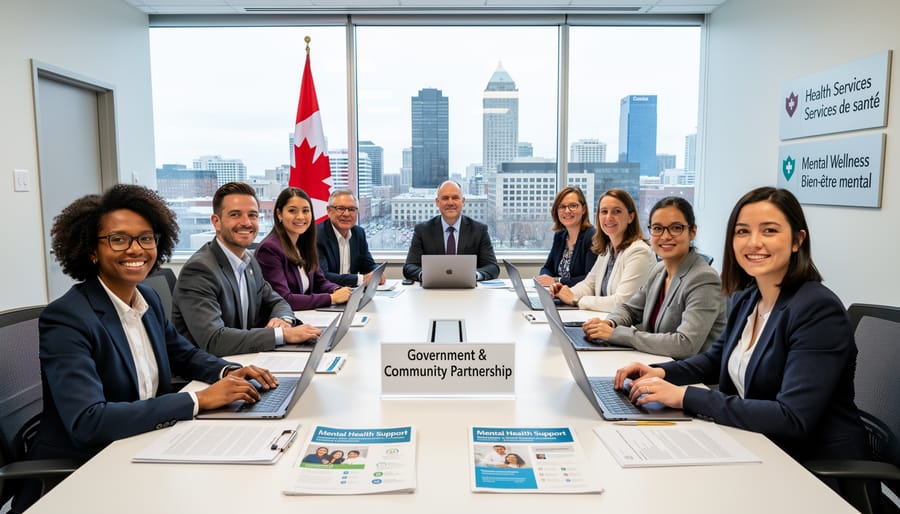
Getting your organization listed on government health directories can make a meaningful difference in helping people find support when they need it most. These official resources are often the first place someone turns during a crisis or when seeking help for themselves or a loved one.
Start by reaching out to your provincial health authority’s mental health services division. Most provinces maintain updated directories of community resources and welcome submissions from credible nonprofits. The process is usually straightforward—you’ll need to provide your organization’s contact information, services offered, and any relevant certifications or affiliations.
At the federal level, the Public Health Agency of Canada and Health Canada maintain mental health resource pages. While getting listed here requires meeting specific criteria, the visibility can connect you with people across the country who are searching for support.
A real success story: one small peer support organization in Nova Scotia saw their call volume increase by 40% after being added to their provincial mental health directory. That translates to real people getting the help they needed, simply because they could find the right resource at the right time.
Remember to keep your listings current with accurate hours, services, and contact methods. These directories serve as lifelines, and outdated information can create barriers exactly when someone is reaching out for help.
Canadian Media and Mental Health Awareness Campaigns
Building genuine relationships with Canadian journalists and media professionals creates natural opportunities for your organization’s story to reach wider audiences. Start by identifying reporters who regularly cover mental health topics in your region and engaging thoughtfully with their work on social media, offering helpful insights or sharing their articles within your community.
When national awareness initiatives like Mental Health Week or Bell Let’s Talk Day approach, reach out to media contacts with personal stories from your community or data-driven insights about local mental health trends. These awareness campaigns often leave journalists searching for authentic voices and expert perspectives, making it the perfect time to contribute meaningful content that naturally includes references back to your organization’s resources.
Consider developing a media kit with key statistics, compelling community success stories, and quotes from people your organization has supported. This makes it easier for journalists to accurately share your work while linking back to your website as a credible source.
Remember that every media mention isn’t just about website visibility; it’s about reaching someone who desperately needs to know help exists. When your organization appears in trusted news sources, you’re building bridges to people who might otherwise struggle alone, unsure where to turn for support.
Bilingual Content Opportunities
Canada’s bilingual reality offers a meaningful opportunity to connect with communities across the country in the languages they’re most comfortable with. When your mental health resources exist in both English and French, you’re not just checking a box—you’re opening doors for francophone Canadians who might otherwise struggle to find support that speaks to their experiences.
Creating genuinely bilingual content means more than translation. It means understanding the unique mental health conversations happening in Quebec, New Brunswick, and francophone communities nationwide. When you share a personal recovery story in French, francophone mental health advocates, community organizations, and media outlets are far more likely to share and link to your content.
Consider developing mental health guides, crisis resources, and community stories in both languages. French-language mental health blogs, Quebec-based health directories, and bilingual community centers often seek quality resources to share with their audiences. This approach doubles your potential reach while ensuring no one is left behind because of language barriers.
The connections you build through bilingual content aren’t just good for visibility—they’re about ensuring every Canadian can access life-saving mental health information in the language that feels like home. That’s community building that truly matters.
Measuring Impact Beyond Rankings

Connecting Links to Real Stories of Help
Better visibility only matters if it leads to real impact. When your organization ranks higher in search results, you want to know if that means more people are finding the help they need.
Start by tracking the right signals. Monitor which resource pages people visit after finding your site through search. Are they accessing mental health support? Downloading crisis helpline information? Signing up for peer support groups? These actions tell you when link building translates into genuine connection.
Set up simple tracking for mission-critical pages. Notice which blog posts or resource guides attract the most visitors from new referring sites. When someone shares their story on your platform or registers for a support program, ask how they found you. These conversations reveal which partnerships and links are truly bringing people home to help.
Watch for ripple effects too. When visibility grows, you might see more people sharing your content, volunteering their time, or starting their own fundraising campaigns. Track newsletter signups, volunteer applications, and peer-to-peer fundraising initiatives. Each metric represents a person moving from searching to taking action, from isolation toward community and healing.
Simple Metrics That Matter
You don’t need fancy analytics software to know if your link building efforts are making a difference. Focus on three simple things that actually matter: how people find you, what they do when they arrive, and whether they reach out for help.
First, notice where your website visitors come from. When other organizations link to your resources, you’ll see more people arriving from those trusted sources. This referral traffic tells you that community partners are actively connecting people to your support.
Second, watch what people download. If your mental health guides, crisis resources, or educational materials are being shared more frequently, it means your information is reaching people who need it. Each download represents someone taking an active step toward understanding or healing.
Third, and perhaps most important, track support inquiries. Are more people reaching out through your contact forms, chat services, or helplines? This is the real measure of success. When your organization becomes more visible through community connections, more individuals find the courage to ask for help.
Think of these indicators as signs that your message is spreading through the community, person to person, link by link. You’re not just building website traffic—you’re building pathways to support for people who might otherwise struggle alone.
Link building isn’t just about climbing search rankings or checking boxes on a marketing plan. It’s about creating pathways for real people in their most vulnerable moments to find the support they need. When someone in Winnipeg searches for crisis resources at 2 a.m., or a caregiver in Halifax looks for guidance, your organization’s visibility can make all the difference.
Every partnership you form, every community connection you strengthen, and every shared story you publish creates another opportunity for someone to discover hope. This work connects lives to resources, isolation to community, and questions to answers.
The strategies we’ve explored aren’t merely technical tasks. They’re acts of service that extend your mission beyond your office walls and into the digital spaces where Canadians are already searching for help.
Now it’s your turn to take action. Start small: reach out to one community partner this week, share one story that matters, or join one conversation in your local mental health network. Each connection you build strengthens the safety net for everyone in your community. Together, we can ensure that when Canadians need mental health support, they find organizations like yours ready to welcome them.